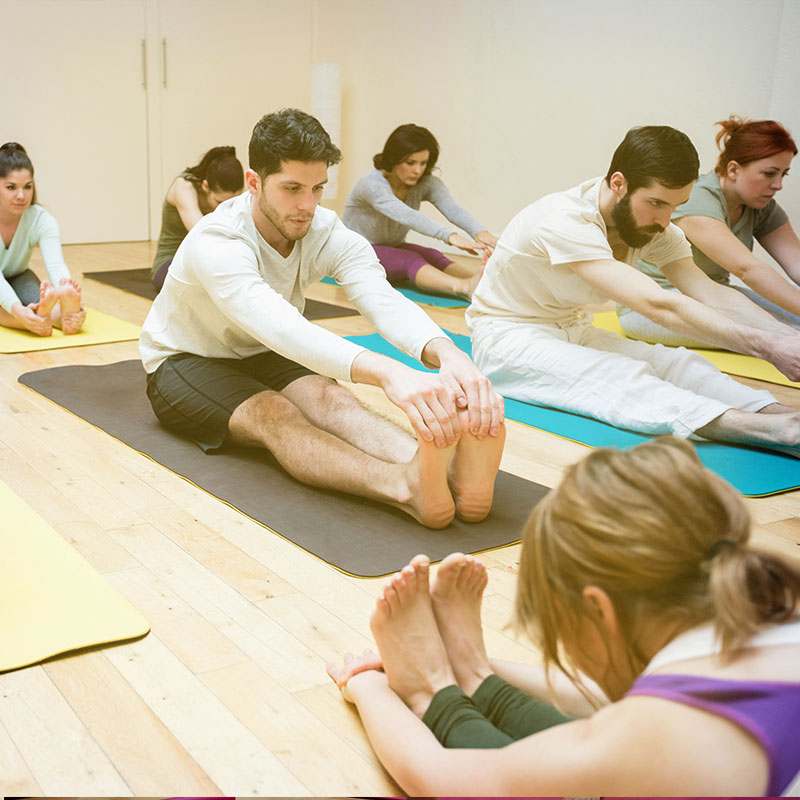
The supreme purpose of ‘Vid Yoga Ayurveda’ manifesto is to inculcate the yogic practices and Ayurvedic lifestyle into an individual’s routine by means of adapting ‘Ayurvedic Yoga’ to prevent and cure diseases. Ayurveda and Yoga being the branches of an Indian Vedic tradition, inherit the same goal of using natural components for the betterment of health including five layers of existence. Both systems focus on optimising the natural healing power of an individual at physical, breath, mental, Intellectual and happiness layers of existence by means of utilizing Panchamahabhutas (five physical elements of nature).
What are Doshas?
According to Ayurveda and Yoga, every object in the nature is basically made up of panchamahabhutas (5 physical elements). In human beings, Tridoshas (Vata, Pitta and Kapha) are the representatives of pancha mahabhutas at physical and mental level.
Vata is composed of Vayu(air) and Akasha (space)
- Function: Motion, Circulation
Pitta is composed of Agni(fire) and Jala (water)
- Function: Digestion, Metabolism and passion
Kapha is composed of Prithvi(earth) and Jala (water).
- Function: Stability and Nourishment
Every individual is born with the genetically determined physical and mental constitution, the prakriti which is mainly of three types Vata prakriti, Pitta prakriti and Kapha prakriti. It is the fundamental concept of a person’s physical and mental characteristics/temperament that is determined at the time of conception based on the dominance of doshas and remains unaltered till death. Based on this, we are classified mainly into Vata, Pitta and Kapha mind –body types.
The person with balanced state of doshas has the following symptoms
- Absence of pain and inflammation,
- Subtle breath,
- Stable mind,
- Discrimination,
- Radiant health,
- Self-confidence, secured commitment.
The problem arises when the doshas (either of them or in combination) get vitiated due to many reasons, mainly adapting the erroneous lifestyle such as following improper diet, untimely sleep etc. These doshas are not only limited to body but also involve the mind aspect.
Vata dosha Imbalance symptoms and guidelines
Vata dosha imbalances are characterized by qualities like dryness, coldness, lightness, motion, and irregularity. When Vata is out of balance, it can cause various health issues, including:
- Dryness: dry skin, brittle hair and nails
- Digestive problems: bloating, constipation, gas
- Insomnia and nervousness: anxiety, restlessness, inability to focus
- Pain and stiffness: joint pain, arthritis, muscle cramps
- Irregular energy levels: fatigue, dizziness, feeling scattered or anxious
Guidelines to balance Vata dosha
Balance Vata, focus on calming, warming, and nourishing routines and foods, such as:
- Eating warm, moist, oily, and grounding foods (soups, stews, cooked grains, nuts, avocados)
- Incorporating regular, gentle routines with rest and relaxation
- Avoiding cold, dry, and crunchy foods and drinks
- Staying warm and avoid excessive exposure to cold or wind
Pitta dosha imbalance symptoms and guidelines
Pitta dosha imbalances in Ayurveda are associated with qualities like heat, acidity, sharpness, and intensity. When Pitta is out of balance, it can lead to various health issues. Common problems related to Pitta imbalance include:
- Digestive issues: acid reflux, gastritis, ulcers, heartburn, burping
- Skin problems: rashes, acne, inflammation, sensitivity
- Emotional symptoms: anger, irritability, frustration
- Heat-related issues: excess body heat, sweating, inflammation
- Other conditions: headaches, migraines, yellowing of the skin (jaundice), ulcers
Guidelines to balance Pitta dosha
To balance Pitta, lifestyle and dietary adjustments are recommended, such as:
- Eating cooling, soothing foods (cucumber, melons, sweet fruits, dairy, greens)
- Avoiding spicy, acidic, fried, and oily foods
- Incorporating calming activities like meditation, soaking in nature, and gentle exercise
- Staying cool and avoiding excessive heat or direct sun
Kapha dosha imbalance symptoms and guidelines
Kapha dosha imbalance is associated with qualities like heaviness, coldness, dampness, complacency, and sluggishness. When Kapha is out of balance, it can lead to:
- Weight gainand obesity
- Lethargy and sluggishnessin energy levels
- Congestion, mucus buildup, sinus issues
- Water retentionand swelling
- Respiratory problems: coughs, colds, asthma
- Emotional issues: attachment, greed, lack of motivation
Guidelines to balance kapha dosha
To balance Kapha, focus on stimulating, warming, and drying routines and foods, such as:
- Consuming light, spicy, and warming foods (ginger, pepper, turmeric, lentils)
- Reducing heavy or oily foods, dairy, and sweets
- Incorporating regular, vigorous exercise to promote circulation and energy
- Avoiding excessive sleep and embracing activity
- Favoring dry, warm environments and dry brushing or massage to energize the skin
Why dosha assessment test?
Assesmemt of dosha percentage here helps a person in two ways.
Prevention and cure- Once the predominant dosha is recognised in early stage, a person can follow the lifestyle which helps in keeping his/her doshas in balanced state. If a person is having some disease, this assessment followed by customised Ayurvedic yogic practices will help to cure the root cause and also the person’s medical expenses reduces by 70-80%.
How do yogic practices help to balance doshas?
Balance of doshas is achieved with the help of Ayurveda based Yogic practices. For instance, Pitta prakriti person usually having anger issues and following a diet which is of more spices and oil, is more prone to diseases like hyper acidity, peptic ulcers, inflammation, infections and many more. To avoid and to cure such diseases, Vid YogAyurveda has come up with “Dosha assessment test” followed by customised Ayurveda based Yogic practices which will assist you to modify your lifestyle by following mainstream of Yoga and provide the best suitable yogic practices including body postures, breathing practices and guided meditation and help you to prevent and cure diseases related Tridoshas.
Ayurveda and Yogic science follow “Law of opposites”,
‘Like increases like and the opposites balance’, for instance
If a person is Vata dosha predominant, raw foods are not advisable as such foods increase the Vata dosha, instead, we recommend boiled warm food with more of moisture.
We come across the words, Life style disorders, and Lifestyle change many times but more often we are least bothered about them. Most of the people are acquainting lifestyle change in order to increase the quality of life of themselves and their off springs too. Get your dosha assessment test done and start changing your lifestyle too with Ayurvedic Yoga.
“Change is inevitable, transformation is by conscious choice”
Healther Ash Amara




Reviews
There are no reviews yet.